



Description
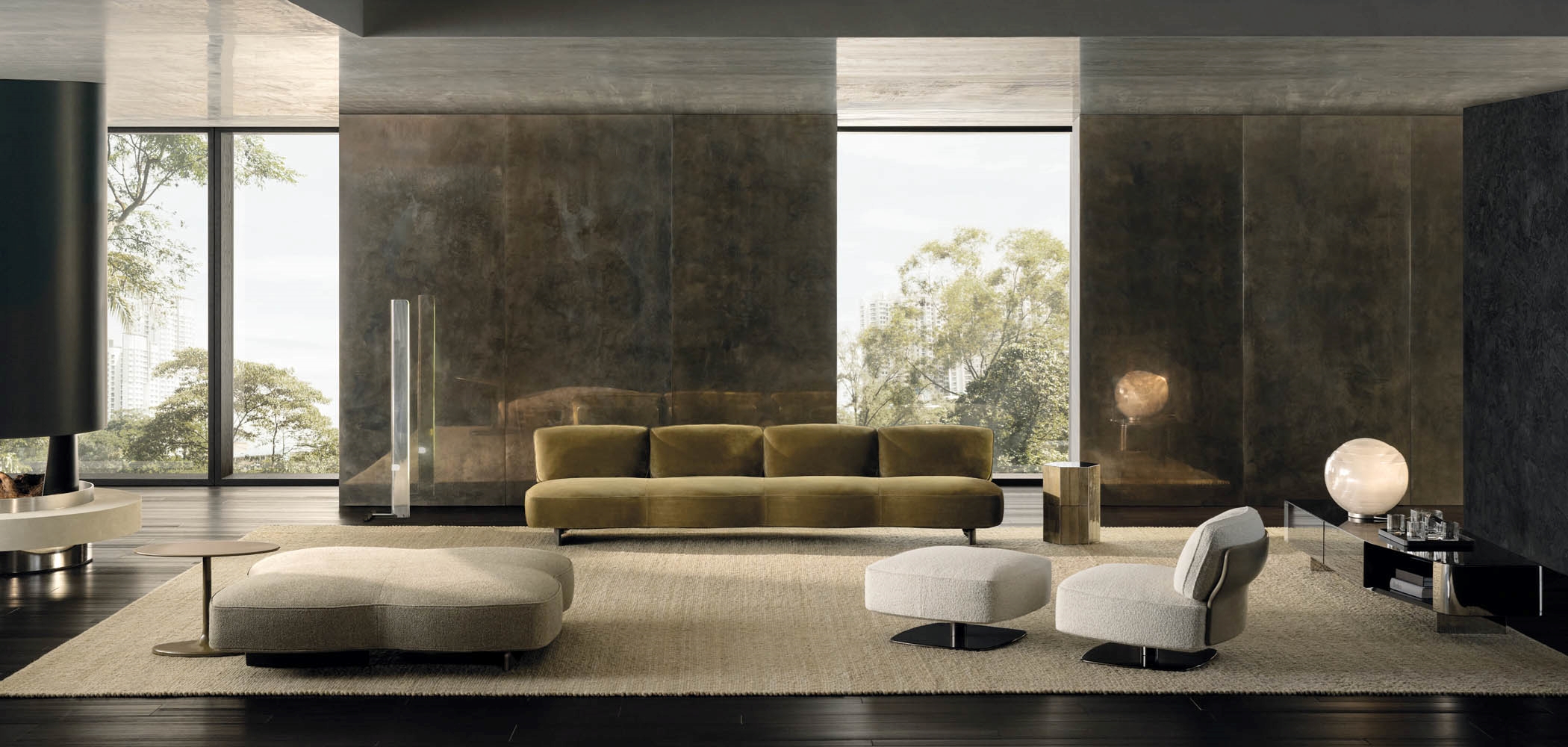
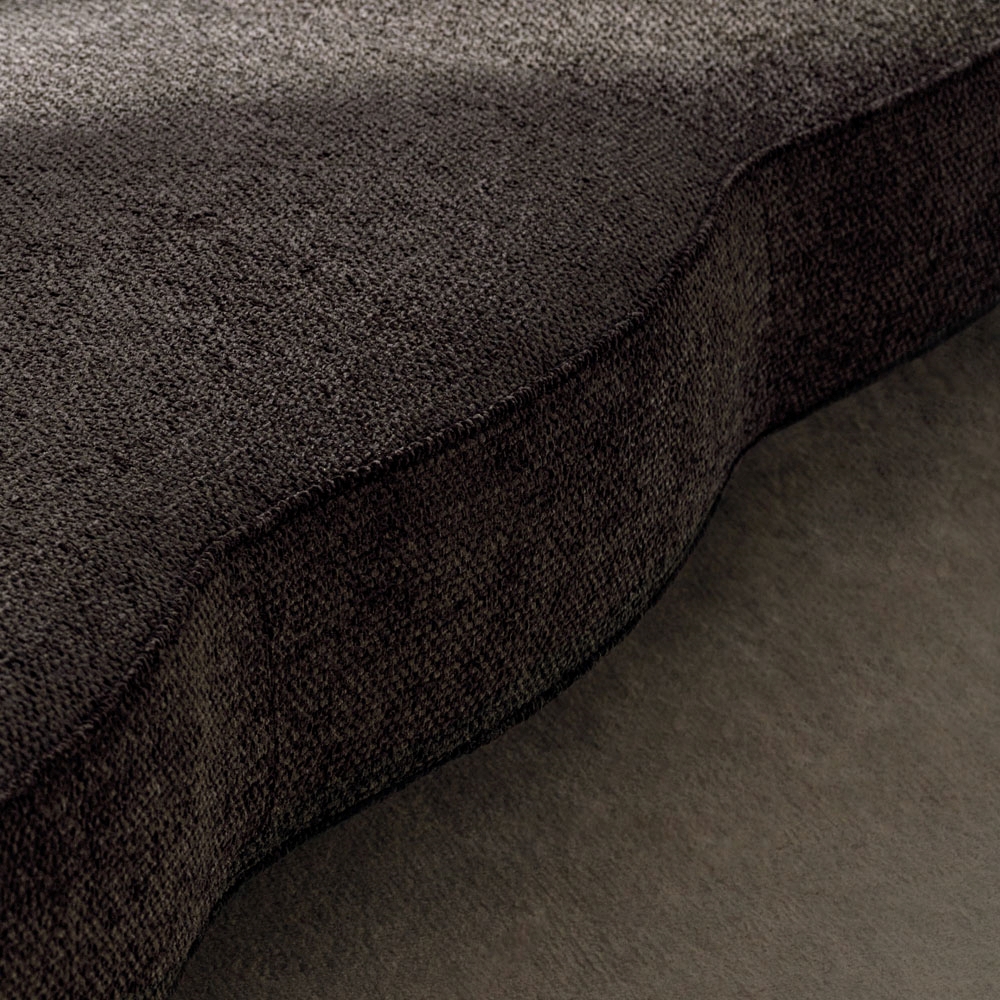
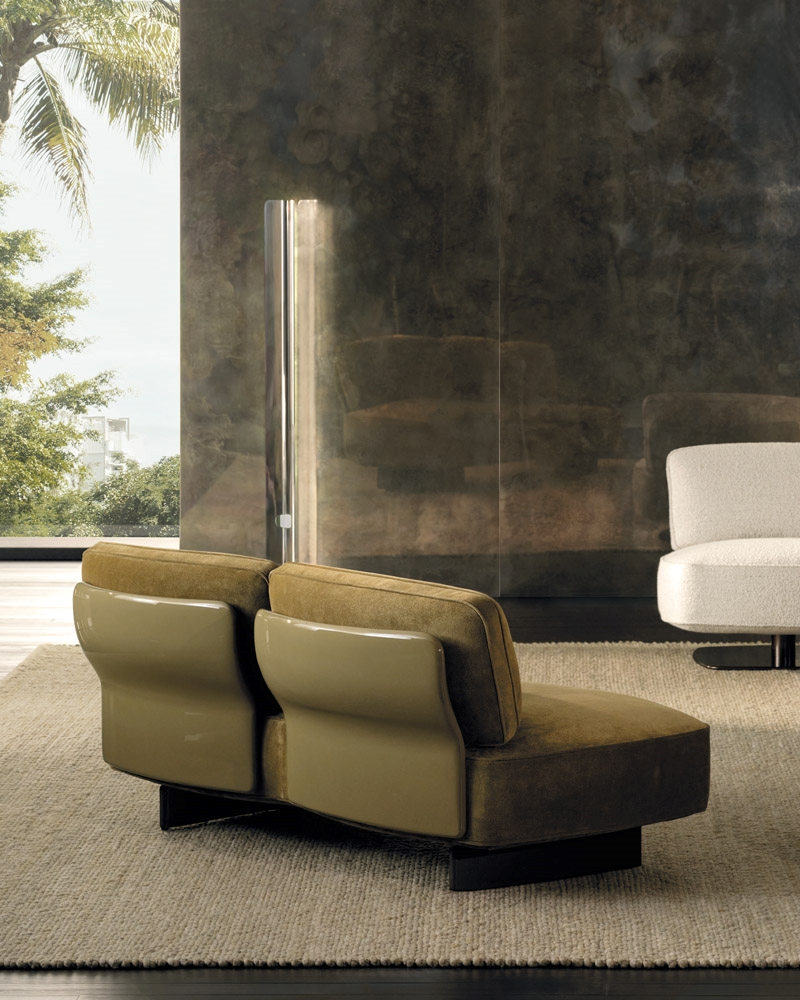
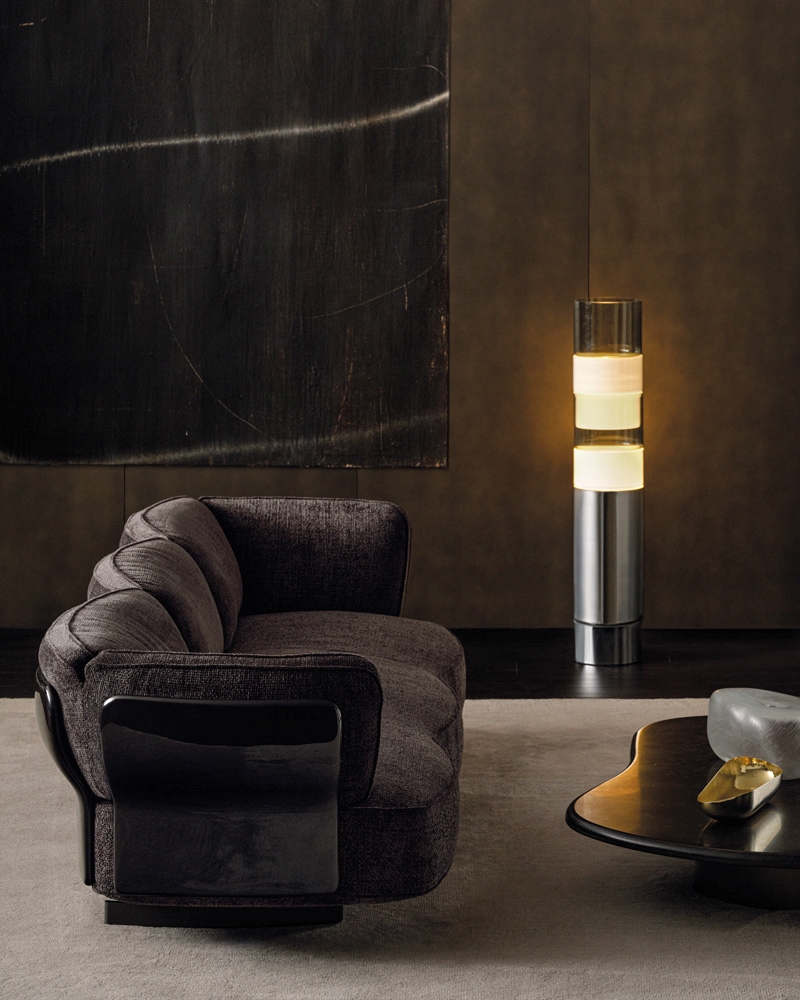
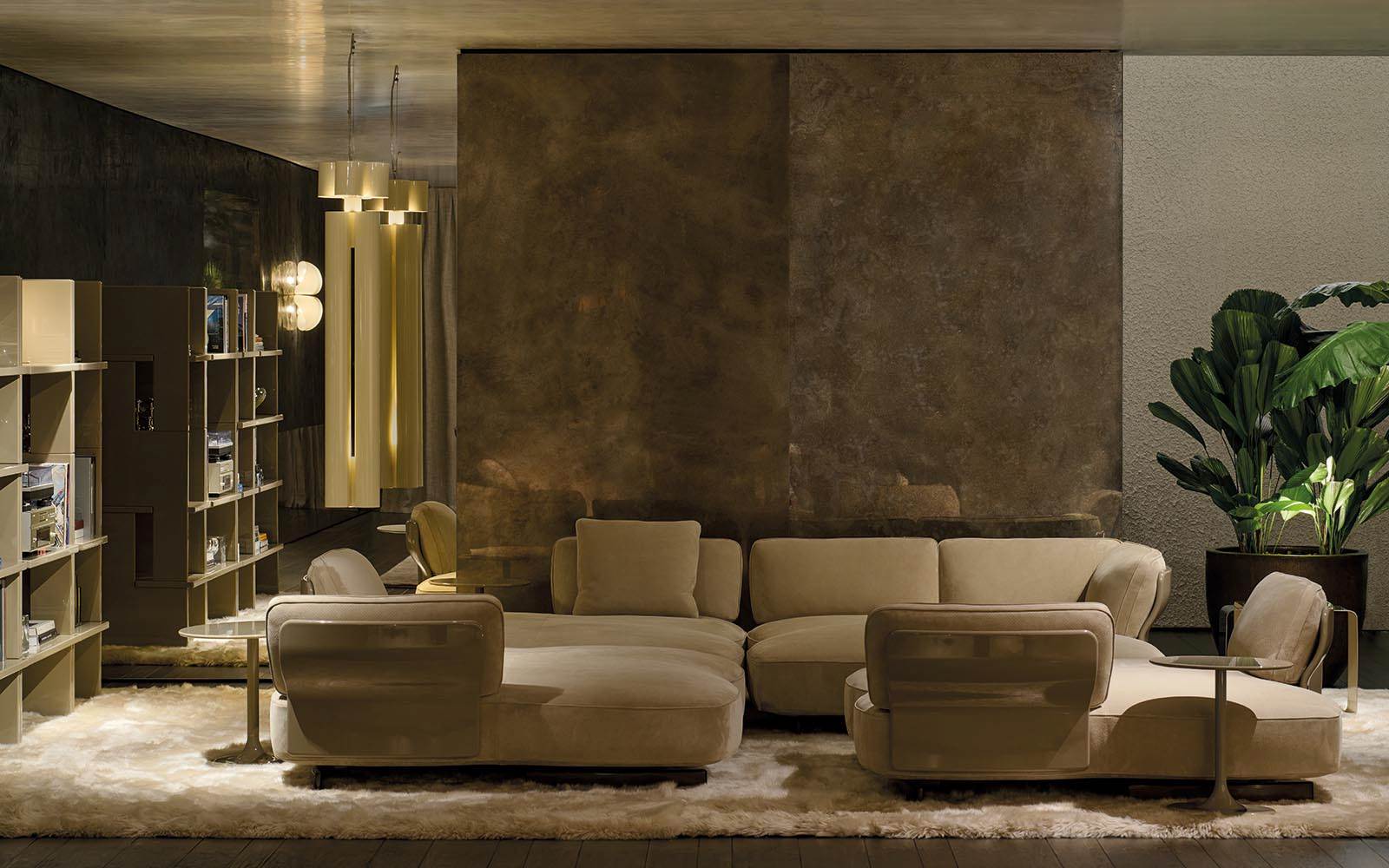
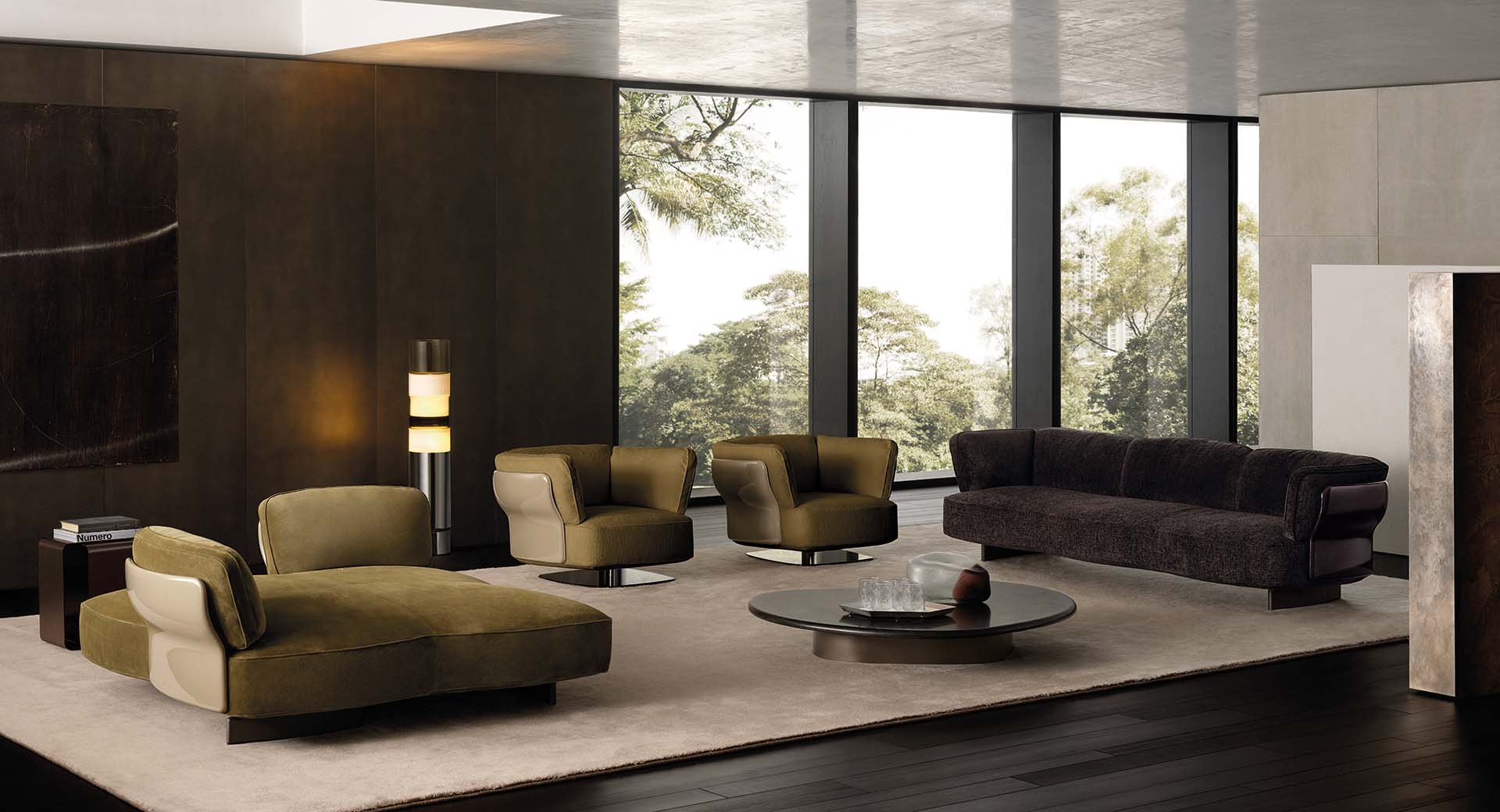
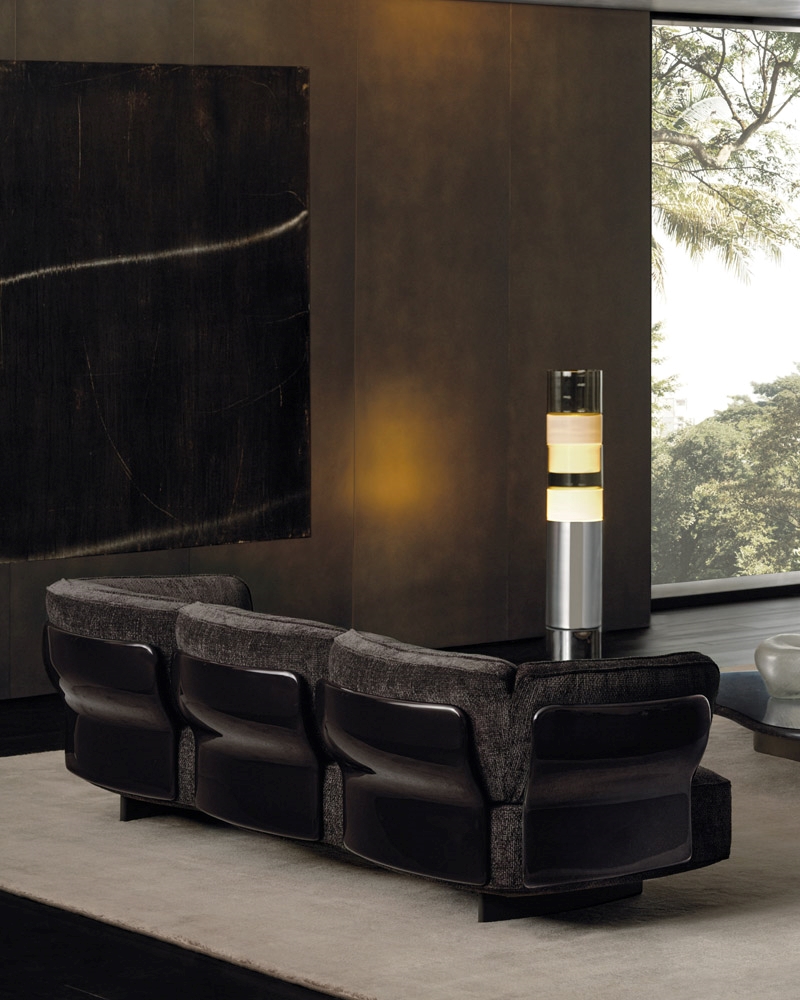
In Japan, “Saki” means blooming, and Nendo pays tribute to the unfolding of flower buds through a family of seats characterised by sinuous support panels for the backrest and armrests. These panels can be lacquered in various shades or upholstered in fabric or leather, allowing for endless combinations and giving each piece a refined, eclectic aesthetic. Based on a modular concept, Saki is available in 2-, 3-, or 4-seat sofas with two different depths, armchairs with or without armrests, benches, and original island-like elements. Large curvilinear seats are enhanced by perimeter piping and subtle cushion incisions inspired by the bud, creating an enveloping and protective sense of comfort.
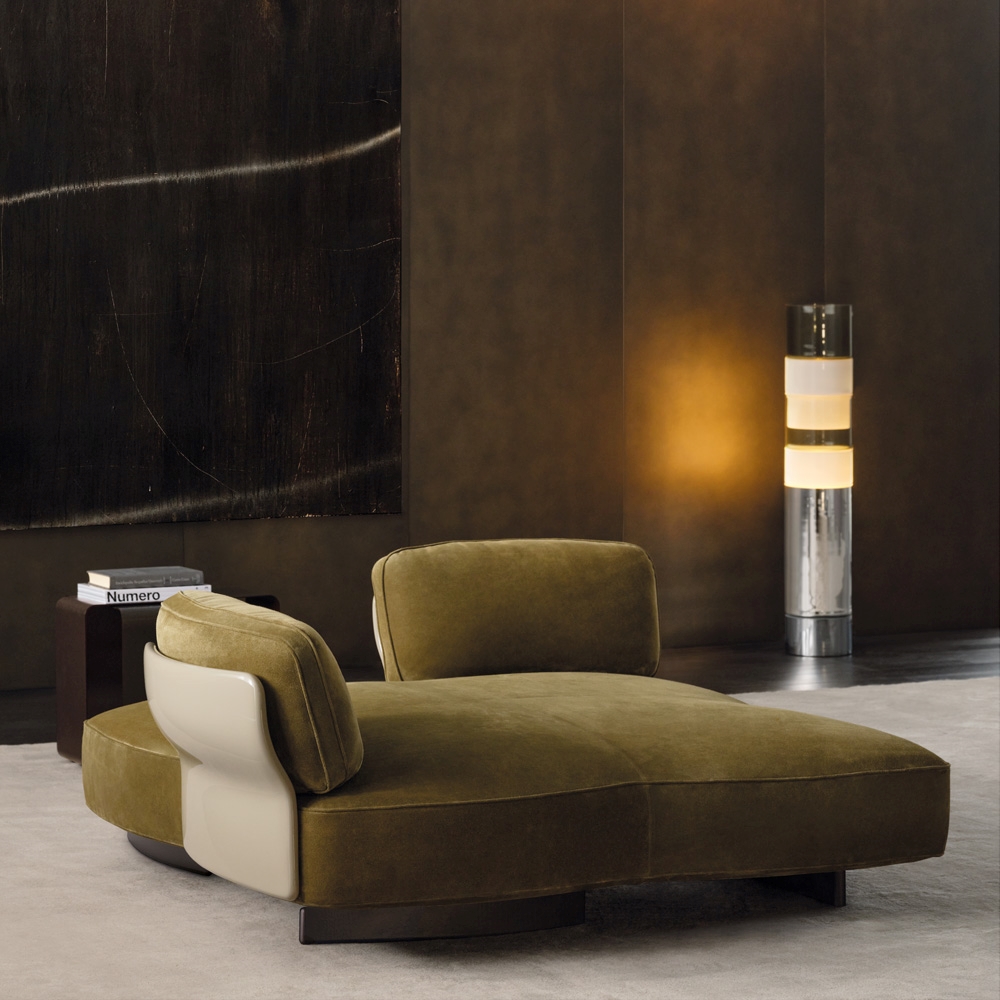
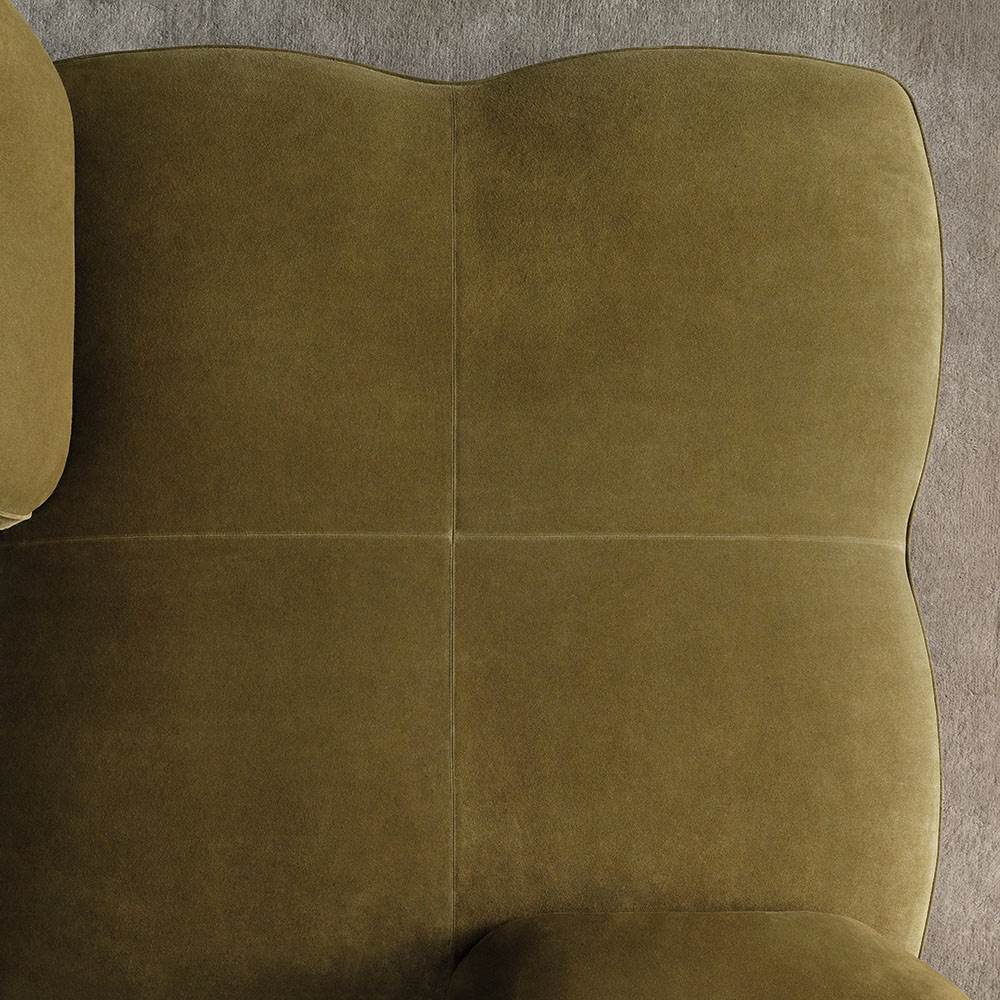
The square island version, with stitching intersecting at the centre, offers a spacious seating area where multiple people can sit or lie along its perimeter, making it suitable for lounge, residential, and Hospitality spaces. The softness of the cushions, featuring a moulded internal structure developed through meticulous ergonomic design, further enhances comfort. Curvilinear aluminium feet with a dynamic aesthetic complete the collection, while the armchair is also available with a rounded-corner square base in both swivel and fixed versions.
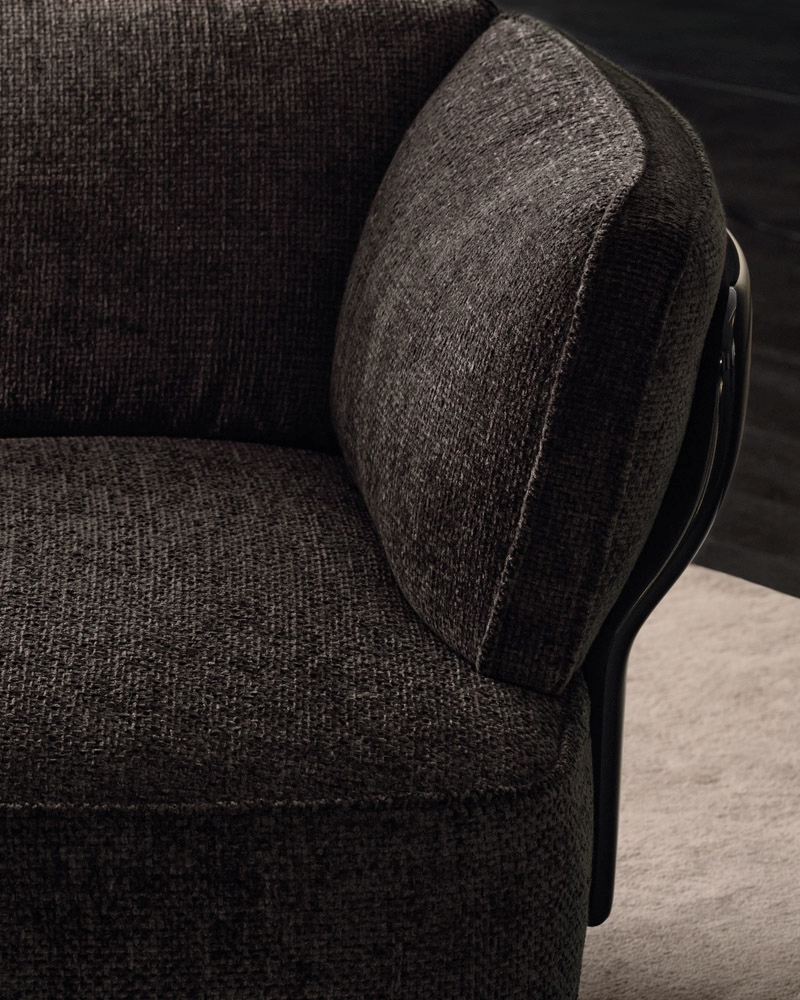
Structure: The plywood seat structure is coated in high-resilience, variable-density polyurethane foam and finished with high-loft channelled goose down quilted padding for enhanced softness and comfort. The goose down is Assopiuma Gold Label certified and routinely sanitised according to EC Regulation No. 1069/2009. The padding is encased in breathable, heat-bonded fibre laminated to hypoallergenic white cotton fabric, while the upholstery is finished with piping in the same material.
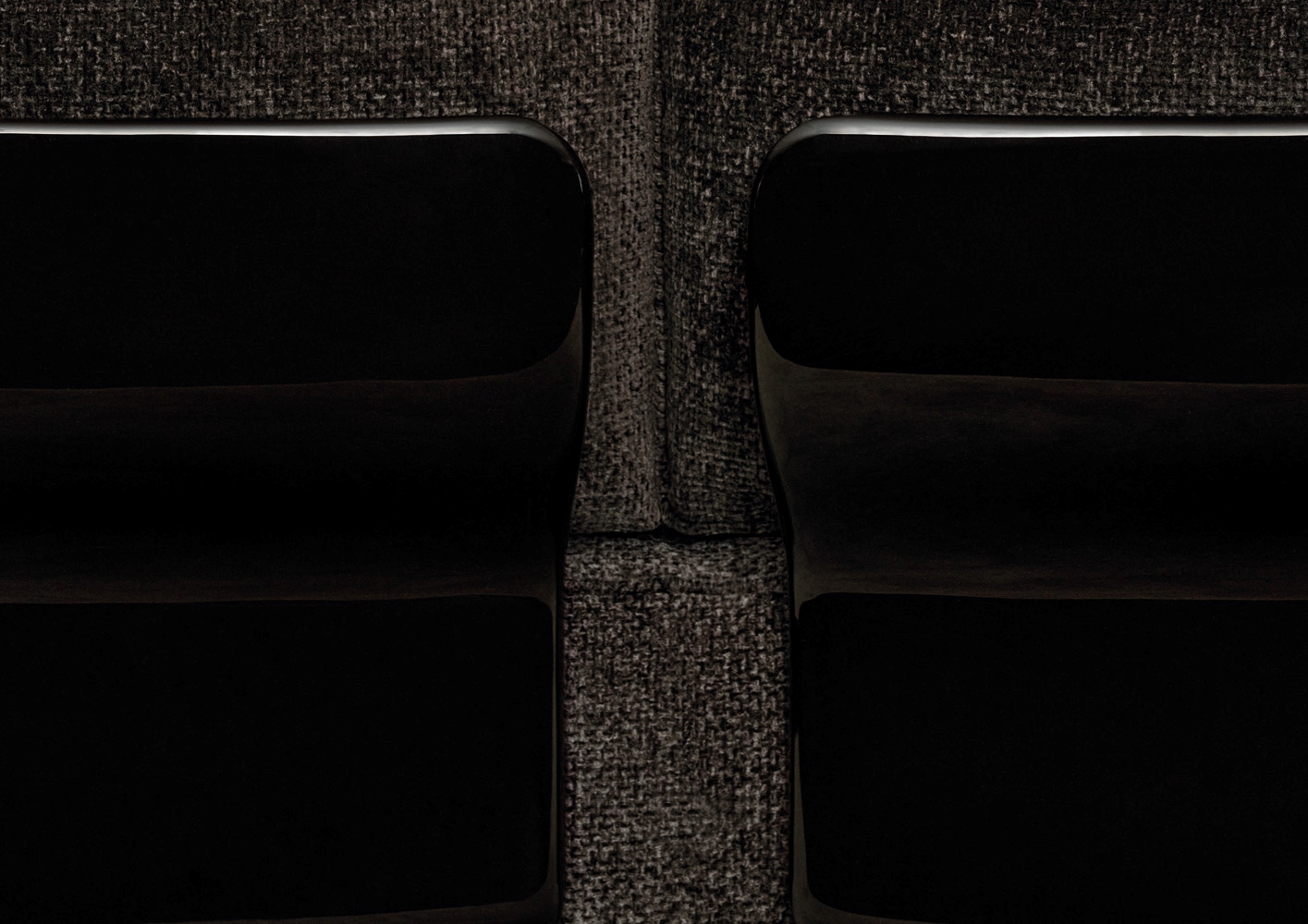
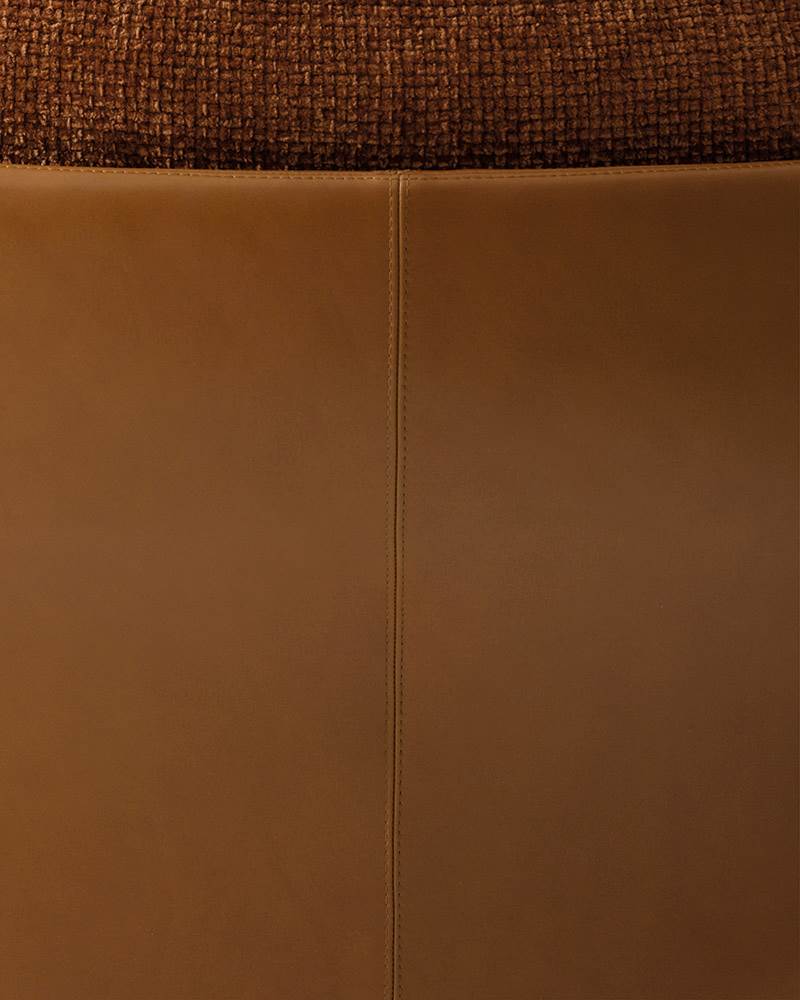
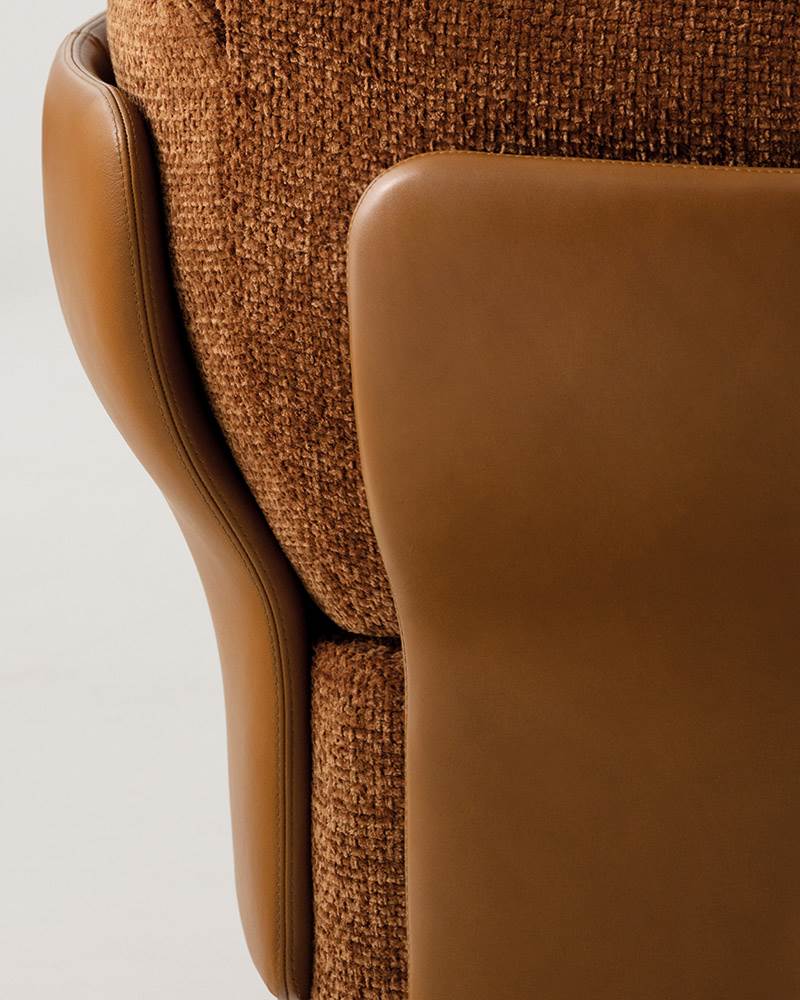
Support panels: Available in structural polyurethane (Baydur® 60) with a glossy lacquer finish in Moka, Cappuccino, or Army Green, or upholstered in fabric or leather. In the upholstered version, the panel features a metal structure coated in fire-resistant polyurethane foam and encased in hypoallergenic, breathable heat-bonded fibre. Leather upholstery is enhanced with central longitudinal double-stitching.
Cushions: Seat, backrest and armrest cushion padding in channelled goose down (Assopiuma Gold Label certified) with core insert in high-resilience, variable-density polyurethane foam. The cushion placed against the support panel contains a core insert in polyurethane foam contoured to ensure optimal adhesion to the support panel. The backrest/armrest cushions are joined to the seat cushion with a zipper.
Covers: Structure and cushion upholstery is completely removable in all versions (fabric and leather); first remove the support panel and then unzip the zipper that joins the backrest and armrest cushions to the seat.
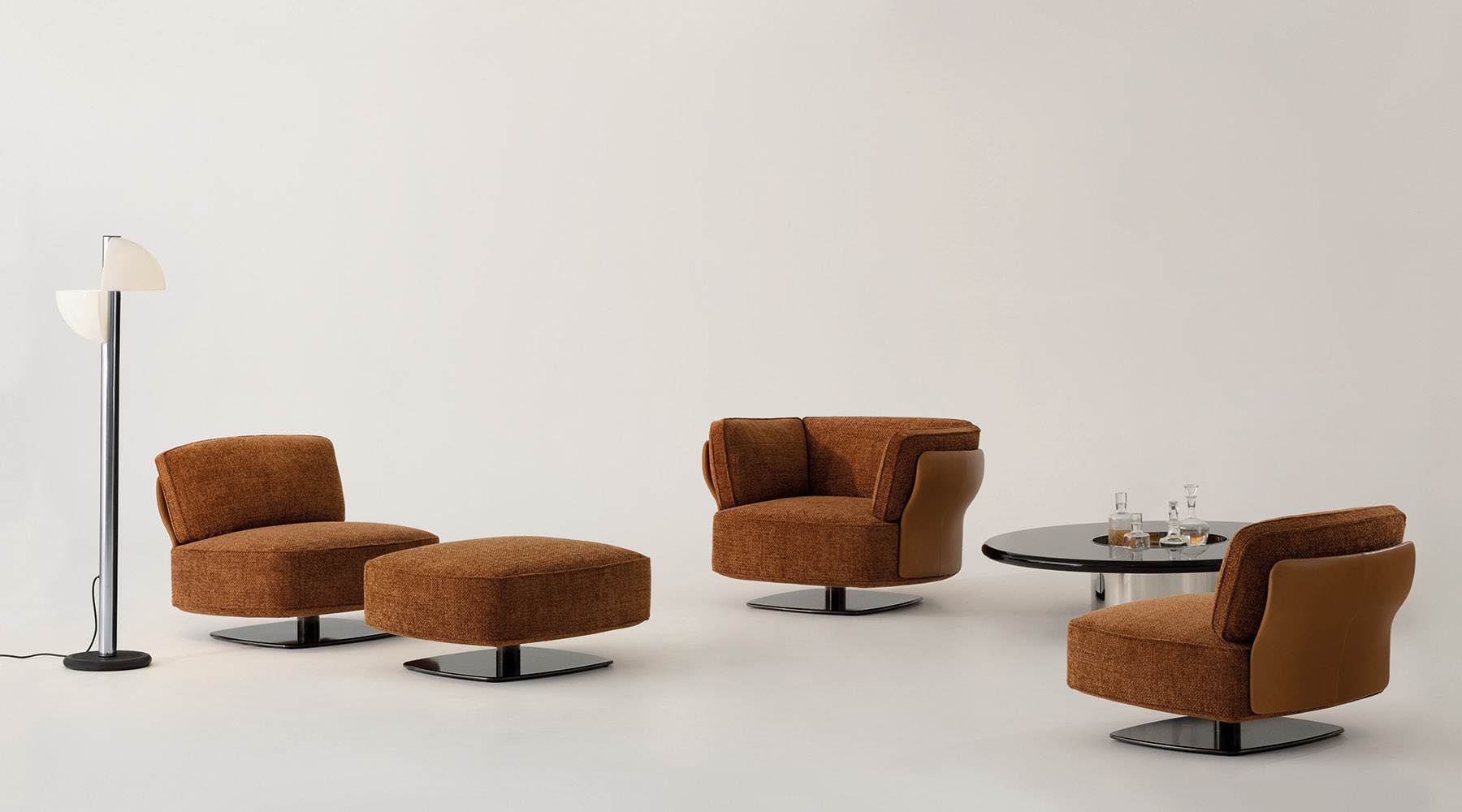
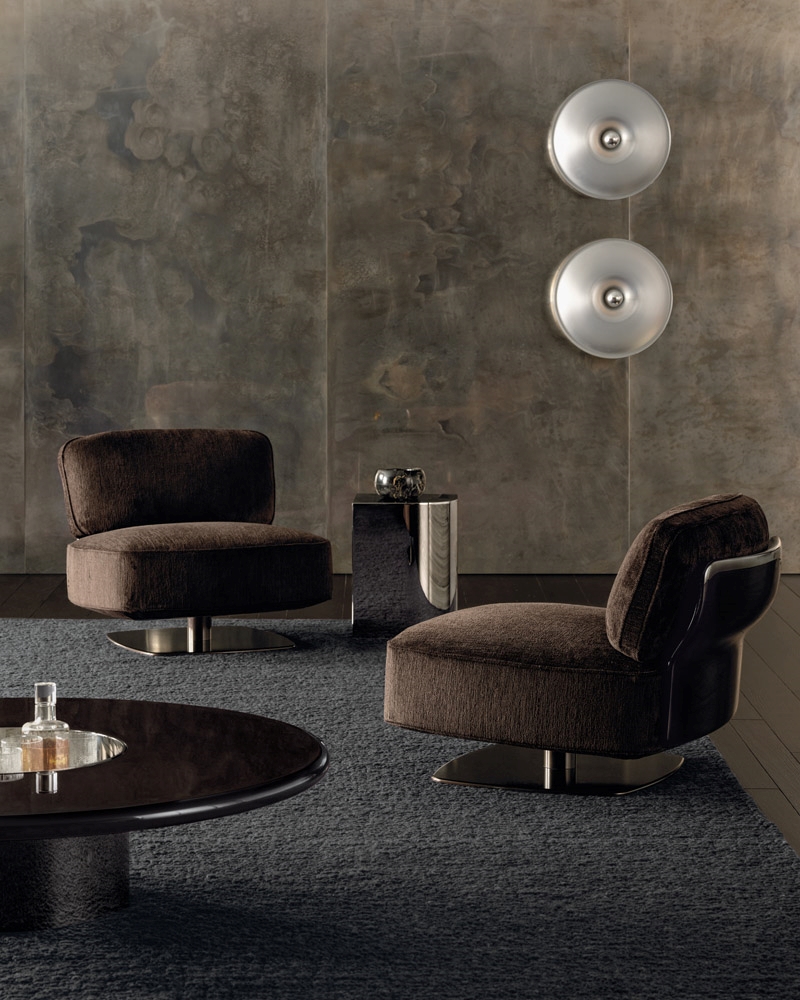
Base ARMCHAIR/FOOTSTOOL: Available with swivel or fixed base, in metal, varnished polished anti-fingerprint finish in Black Coffee colour. 360° swivel movement with return. Footstool is fixed. Protective polyethylene rubber pads, black coffee colour.
The upholstery options include: A) support panels and cushions in leather or fabric, using the same upholstery; B) lacquered support panels in Moka, Cappuccino, or Army Green, combined with leather or fabric cushions; C) support panels in Nature Leather, combined with fabric cushions.
Feet: In cast aluminium with varnished polished anti-fingerprint finish in Black Coffee colour.
This product contains FSC® certified wood components.
Gallery
Designer
nendo
Minotti and Oki Sato, Japanese designer born in 1977, first came into contact in 2017.
Multi-talented, poetic and original, in 2002, Oki Sato opened the architecture and design firm Nendo, of which he is Chief Designer. Internationally renowned for his multi-faceted approach, which spans from graphic design to product design, and from architecture to the creation of installations, Oki Sato officially joined the Minotti team of designers in 2018. With his light, fresh and minimal style, he creates designs with a big personality and a poetic touch. He is mainly inspired by the manual work of master craftsmen and artisans, and by the interaction between people, objects and environment.

